Self-Watering Planters: How They Work and When They Help
Watered on Sunday, wilted by Thursday — hand-watering on a schedule is a poor match for how plants drink. Reservoir planters let roots take water at their own pace.
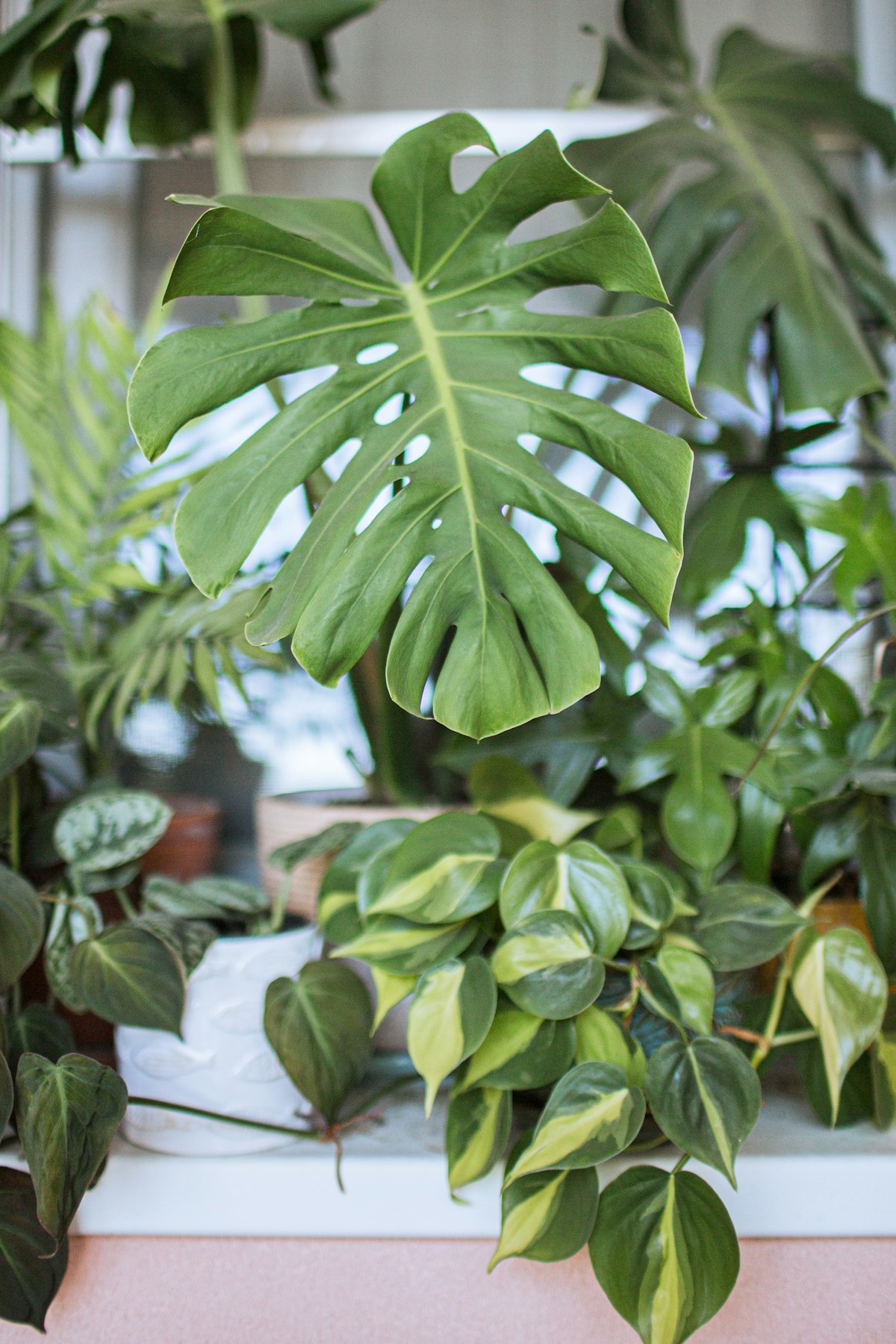
The pattern is familiar to anyone who keeps plants: you water everything on Sunday, feel virtuous, and by Thursday the basil is wilting, the fern is crispy, and the pot on the sunny windowsill looks like it spent the week in a desert. Meanwhile the plant in the bathroom is drowning because you compensated. Watering by hand, on a schedule, from above, is a genuinely poor match for how plants actually drink — which is steadily, from below, as the soil dries.
Self-watering planters exist to close that gap. They hold a reservoir of water beneath the soil and let the plant draw it up as needed, stretching the interval between refills from days to weeks. They are not magic, and they are not right for every plant — but for thirsty vegetables on a hot balcony, houseplants in a busy household, and anyone who travels, they remove the single most common cause of plant death.
This guide explains the mechanics, the honest limitations, and how to tell a well-designed reservoir pot from a gimmick with a water tray glued on.
The short version
A self-watering planter stores water in a sealed reservoir at the base, separated from the soil by a platform or delivered through capillary wicks. As the soil dries, capillary action pulls water upward and the roots drink at their own pace. Good designs include a fill tube, a visible water-level indicator, and an overflow hole so rain or overfilling cannot flood the soil. They suit thirsty, fast-growing plants — tomatoes, herbs, most houseplants — and need a periodic full dry-out and reservoir rinse to stay healthy. Desert plants like cacti and succulents are happier in ordinary pots.
What to look for
- A real reservoir, not just a deep saucer — look for a sealed base holding at least a litre or two for larger planters; tiny clip-on trays empty in a day and help little.
- A fill tube or corner shaft — lets you refill the reservoir without flooding the soil surface, which also discourages fungus gnats that breed in wet topsoil.
- A water-level indicator — a simple float gauge removes the guesswork; without one you will either forget to check or check by overwatering.
- An overflow hole at the reservoir's top — essential outdoors, where one rainstorm can otherwise turn any container into a pond.
- Capillary contact between soil and water — either soil columns that dip into the reservoir or fabric wicks; if the growing mix never touches the moisture path, the system cannot work.
- Materials that survive your climate — quality UV-stable plastic lasts for years outdoors; cheap thin plastic turns brittle in sun and cracks in frost.
Classico LS Self-Watering Planter
A premium self-watering planter with a removable plant liner, water-level indicator, and mineral substrate system that keeps soil evenly moist for weeks.
- Reservoir with float-gauge water level indicator
- Removable liner makes replanting and cleaning easy
- Includes Lechuza PON mineral substrate for the capillary layer
- + The reference design most other reservoir pots copy
- + Clean, modern finishes suit indoor display
- + Sizes from tabletop to large floor planters
- – Premium pricing, especially in larger sizes
- – Reservoir capacity is modest on the smallest models
Self-Watering Rolling Vegetable Planter
A large-capacity self-watering planter on casters with a multi-gallon reservoir, designed for tomatoes and peppers on patios and decks.
- Large reservoir measured in gallons, not cups
- Smooth-rolling casters for chasing the sun
- Capillary mat system keeps a big soil volume evenly moist
- + Built for genuinely thirsty fruiting vegetables
- + Moves easily despite its size
- + Long watering intervals even in summer heat
- – Utilitarian look favors function over decor
- – Needs a flat, hard surface for the casters
Greensense Aqua Care Self-Watering Pot
A design-led self-watering pot from Dutch maker Elho with an integrated reservoir and clear water-level window, made from recycled plastic.
- Integrated reservoir with an easy-read water window
- Made from recycled materials with a matte, modern finish
- Sized for herbs and medium houseplants
- + The water window removes all guesswork
- + Looks like a decor piece, not equipment
- + Lightweight and easy to move for cleaning
- – Smaller reservoir than the Lechuza Classico
- – Limited size range compared with outdoor systems
How the water actually gets to the roots
There are two mechanisms in nearly every design. In wick systems, strips of absorbent fabric or rope run from the reservoir up into the soil, and water climbs them by capillary action — the same force that draws coffee up a paper towel. Wick systems are common in smaller indoor pots because they are simple and cheap.
In soil-column systems, used by most larger planters such as the Lechuza Classico range, the inner pot has openings at its base filled with growing mix that sits in direct contact with the reservoir. The soil itself is the wick. Premium versions add a mineral substrate layer at the bottom that manages the transfer and keeps the root zone evenly moist rather than soggy.
Either way, the physics imposes one rule everyone should know: capillary action lifts water a limited height — roughly 20–30 cm in typical potting mix. That is why self-watering designs are wide rather than tall, and why a very deep planter cannot self-water its top layer. Seedlings and freshly planted cuttings, whose roots sit near the surface, still need top-watering until their roots grow down into the moist zone. Set the plant up, water from above for the first couple of weeks, then let the reservoir take over.
When you first fill a self-watering planter, water the soil thoroughly from the top once. Capillary flow needs the soil column to be moist before it can start pulling water upward — a bone-dry mix in a dry pot can sit above a full reservoir and never connect.
Where they shine, and where they don't
The strongest case is thirsty plants in hot, exposed spots: tomatoes, cucumbers, basil, and hanging baskets on a sunny balcony, where hand-watering can be a twice-daily obligation. Our balcony gardening guide treats reservoir planters as close to essential equipment. Indoors, they are the forgiving option for the easy-care plants in our hard-to-kill houseplants guide — pothos and ZZ plants in reservoir pots can coast through a two-week holiday without a plant-sitter.
The weak cases matter too. Succulents, cacti, and Mediterranean herbs like rosemary and lavender prefer a real dry spell between drinks and can rot in constantly moist mix. Plants in cool, dark rooms drink so slowly that a full reservoir may sit stagnant. And a reservoir is not a set-and-forget promise: salts from fertilizer accumulate in the soil over time, so every month or two, water from the top generously to flush the mix, and rinse the reservoir out once or twice a year to prevent algae and odor.
FAQ
Can roots rot in a self-watering planter?
They can if the soil stays saturated, which usually means the planter was kept topped up while the plant was dormant or the room was cold and dark. The fix is behavioral: let the reservoir run empty and stay empty for a few days between refills, especially in winter. Well-designed planters keep the soil moist, not wet, because roots also draw air from the upper soil.
Do I still need to fertilize plants in self-watering pots?
Yes — the reservoir holds water, not food. Many growers use a diluted liquid fertilizer in the reservoir or feed from the top at intervals, following the fertilizer's own label rates. Because salts build up faster in closed systems, the periodic top-watering flush described above is worth making a habit.
Can I convert a regular pot into a self-watering one?
Insert kits exist, and the DIY version — a pot with a sealed inner reservoir, a wick, and a platform — is a well-documented weekend project. Conversions work best in medium pots. For large outdoor planters or expensive plants, a purpose-built design with an overflow hole and level indicator is usually worth the modest premium.
How long does a full reservoir actually last?
It depends on reservoir size, plant thirst, and weather, but reasonable expectations are one to two weeks for a medium indoor planter and three days to a week for a thirsty tomato outdoors in summer heat. That is several times longer than the same plant in a standard pot — which is precisely the point.