Patio Furniture Materials Compared: Wood, Metal, and Rattan-Style Weave
Every patio set looks wonderful in April. Year three tells the truth — the wobble, the rust, the brittle strands. Here is how wood, metal, and weave actually age.
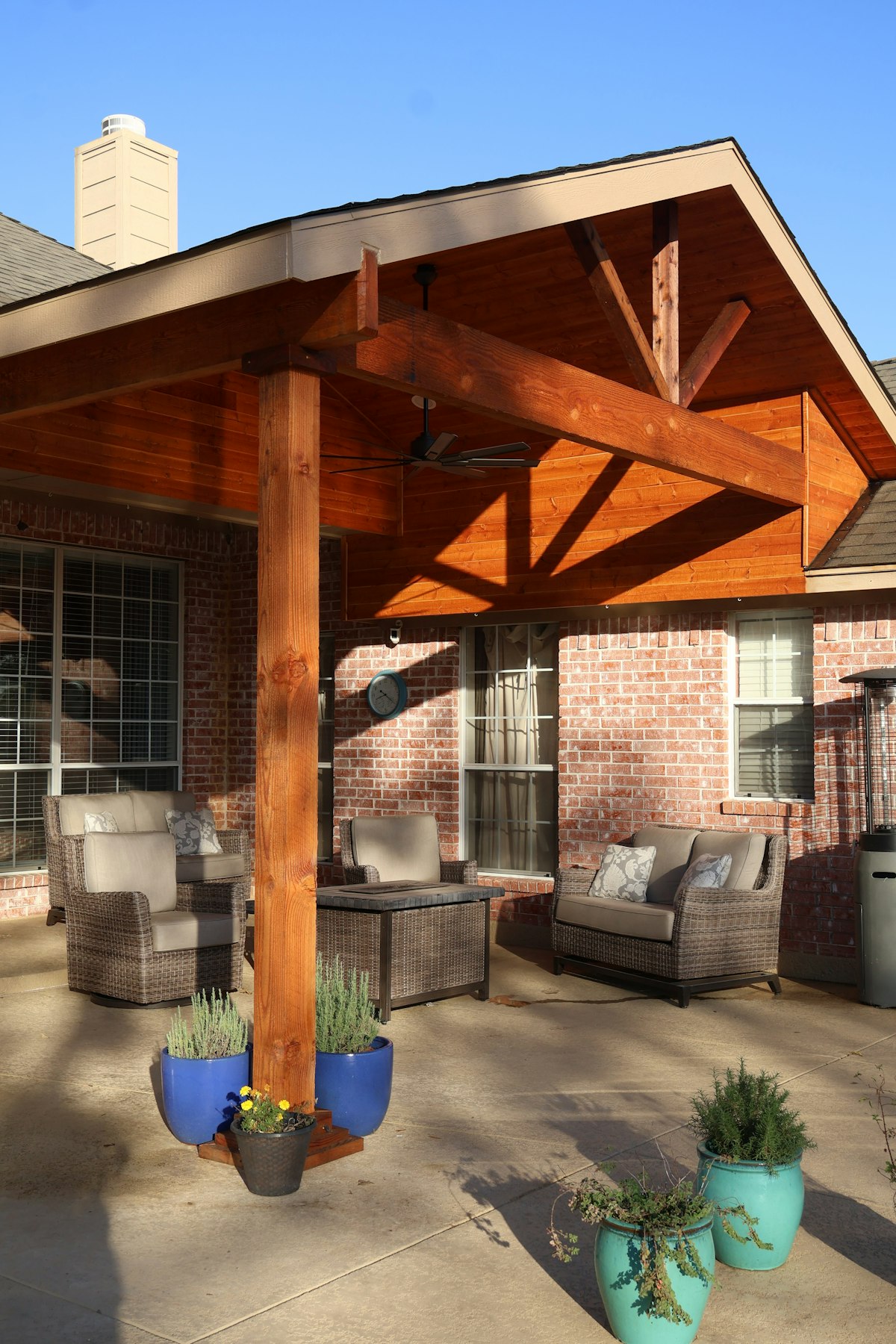
Patio furniture has a reputation problem: it all looks wonderful in April. The differences show up in year three — the armchair that wobbles, the table with a waterline ghost of every glass ever set on it, the lovely woven set whose strands have gone brittle and begun to snap one by one. Patio furniture lives outdoors through sun, rain, frost, and pollen season, and the material it is made from decides whether that is a long life or a slow public decline.
The three families you will meet everywhere are wood, metal, and rattan-style weave (almost always a synthetic resin wicker woven over a metal frame, despite the natural name). Each has a genuine strength and a genuine weakness, and the right choice depends less on taste than on your climate, your storage, and how much maintenance you will honestly do.
This comparison is based on the published construction and care guidance from manufacturers and the long-running owner feedback in furniture forums — the two places where year-three truths get told.
The short version
Choose wood (acacia or teak-style hardwoods) if you love natural material and will oil or cover it yearly. Choose powder-coated aluminum if you want the lightest, lowest-maintenance frames and live anywhere wet or coastal. Choose resin wicker if comfort and that soft woven look matter most, and you can store or cover it in winter. Steel is strong and cheap but rusts at the first chip; cast iron is beautiful and nearly immovable. Whatever you pick, covers and cushions stored dry will double its good-looking years.
What to look for
- Frame before fabric — under every woven or cushioned set is a frame; ask what it is made of. Aluminum frames outlast steel ones in wet climates, whatever the surface looks like.
- Joinery and weld quality — wobbly showroom furniture only gets worse. Welds should be full and smooth, wooden joints tight with stainless hardware.
- UV stability in plastics and weave — resin wicker and plastic parts should be described as UV-stabilized; unstabilized strands fade, chalk, and crack.
- Cushion fabric and filling — solution-dyed acrylic covers resist fading far better than printed polyester, and quick-dry foam drains instead of staying soggy.
- Realistic weight — light furniture moves for mowing and storms; heavy furniture stays put in wind. Know which problem you actually have.
- A maintenance plan you will keep — an annual oil you will actually apply beats a theoretically superior finish you will skip.
Acacia Wood Outdoor Sofa Set
An acacia wood patio conversation set with water-resistant cushions, representative of the popular mid-priced hardwood category.
- Solid acacia hardwood frames with a warm finish
- Slatted design sheds rainwater instead of pooling it
- Includes seat and back cushions with removable covers
- + Natural wood warmth at an accessible price point
- + Sturdy, grounded feel in the wind
- + Scratches and wear can be sanded back
- – Needs oiling or covering to keep its color
- – Cushions should be stored dry over winter
Aluminum Outdoor Dining Set
A powder-coated cast and extruded aluminum dining set built for wet climates and low maintenance — the commercial-patio formula brought home.
- Rust-proof aluminum frames with powder-coat finish
- Cast detailing with a traditional, substantial look
- Designed to stay outdoors with minimal upkeep
- + Cannot rust — the wet-climate default
- + Lighter than it looks, so rearranging is easy
- + Wipes clean with soap and water
- – Dark frames get hot in full afternoon sun
- – Needs cushions for long, comfortable meals
3-Piece Wicker Patio Conversation Set
A resin wicker conversation set with a steel frame and tempered glass-top table — the budget-friendly face of the rattan-style category.
- All-weather resin wicker over a powder-coated steel frame
- Tempered glass tabletop that wipes clean
- Removable, washable cushion covers
- + The woven look and flex at an entry-level price
- + Compact footprint suits smaller patios
- + Quick assembly for a furniture set
- – Steel frame needs chips touched up to prevent rust
- – Wicker ages fastest if stored uncovered in harsh sun
Wood: warm, repairable, and on a maintenance schedule
Hardwood sets — teak at the premium end, acacia and eucalyptus as the value workhorses — have a feel nothing synthetic matches: warm to the touch, quiet in the wind, and heavy enough to stay where you put them. Wood's superpower is repairability. Scratches sand out, gray weathering can be scrubbed back, and a broken slat can be replaced with basic tools.
The trade is upkeep. Left alone, all outdoor wood silvers to gray — many owners love the look and stop there. If you want the original color, plan on cleaning and oiling roughly once a year. Acacia, used in many mid-priced sets such as the Christopher Knight Home outdoor lines, is dense and attractive but thinner in section than teak, so covers in winter earn their keep. Keep wooden feet out of standing water, the one condition that rots even good hardwood.
Metal: aluminum wins the practical contest
Aluminum is the quiet default of commercial patios for a reason: it does not rust, it is light, and powder-coated finishes shrug off rain for years. Sets from makers like Hanover build whole dining collections around cast and extruded aluminum for exactly this profile. The weaknesses are comfort — metal needs cushions — and heat: dark frames in full sun get genuinely hot to the touch.
Steel costs less and feels more substantial, but its powder coat is all that stands between the frame and rust; once chipped at a foot or joint, corrosion starts and spreads under the paint. Paint touch-ups at the first chip are the steel owner's whole maintenance religion. Cast aluminum and cast iron sit at the heavy, ornate end — wonderful in a sheltered garden, a commitment if you ever need to move them.
Rattan-style weave: comfort champion, storage dependent
Almost no modern "rattan" patio furniture is natural rattan — it is polyethylene resin wicker woven over (usually) a powder-coated steel or aluminum frame, and that is a good thing: natural rattan outdoors is a short, sad story. Resin wicker gives the soft, handwoven look with real weather tolerance, and its slight flex makes it the most comfortable of the three to sit in for a long evening.
Its enemies are ultraviolet light and cold. Years of sun slowly embrittle strands, starting on the top rails where exposure is worst, and woven sets are bulky to store. Ask what the frame is — a resin wicker set on an aluminum frame is a decade purchase; the same weave on thin steel is not. Under a covered patio or with winter storage, wicker's lifespan rivals anything here; fully exposed on a sun-blasted deck, expect it to age fastest of the three.
| Material | Weather resistance | Maintenance | Weight | Typical lifespan | Best for |
|---|---|---|---|---|---|
| Hardwood (acacia/teak) | Good; grays with age | Annual clean, oil if keeping color | Heavy | 10+ years with care | Natural look, sheltered or covered patios |
| Powder-coated aluminum | Excellent; cannot rust | Wash only | Light | 10+ years | Wet and coastal climates, low effort |
| Steel | Fair; rusts at chips | Touch up coating promptly | Medium-heavy | 5–8 years | Budgets, sheltered spots |
| Resin wicker (on aluminum) | Good; UV is the limit | Wash, store or cover in winter | Light-medium | 7–10 years | Comfort, long evenings, covered patios |
Whichever material you choose, buy the cover at the same time as the furniture. A cover that arrives in year three arrives after two winters of damage it was meant to prevent.
FAQ
What is the lowest-maintenance patio furniture material overall?
Powder-coated aluminum, and it is not close. It cannot rust, needs only soap and water, and is light enough to move for cleaning underneath. Pair it with solution-dyed acrylic cushions and your entire annual routine is a wash and bringing the cushions in for winter.
Is acacia wood a good choice, or should I save for teak?
Acacia is a legitimate choice — dense, attractive, and widely used in mid-priced sets — provided you keep it covered or oiled and out of standing water. Teak's natural oils make it more forgiving of neglect and it typically outlasts acacia, which is most of what the price difference buys. If you know you will skip maintenance, teak (or aluminum) is the honest pick. Our outdoor string lights guide covers the other half of making that patio feel finished.
How can I tell if resin wicker is good quality?
Look for tightly woven strands with no gaps showing the frame, a specification that names UV stabilization, and a frame described as aluminum or properly powder-coated steel. Sit in it: quality weave flexes evenly, while cheap weave creaks and individual strands feel thin and papery.
Should I store patio furniture indoors over winter?
If you can, yes for wicker and wood, and cushions always, everywhere — cushion foam stored damp is how mildew moves in permanently. Aluminum frames can stay out under covers in most climates. Whatever stays outside should be cleaned first; winter locks in whatever dirt you leave on it. String lights come down too, or at least get checked — see the weatherproofing basics in the outdoor string lights guide.