Balcony Gardening: Big Harvests and Blooms in a Tiny Space
Six feet by three is not too small — it is a whole garden waiting to be thought of in layers. Railings, towers, and reservoirs turn a balcony into your most productive patch.
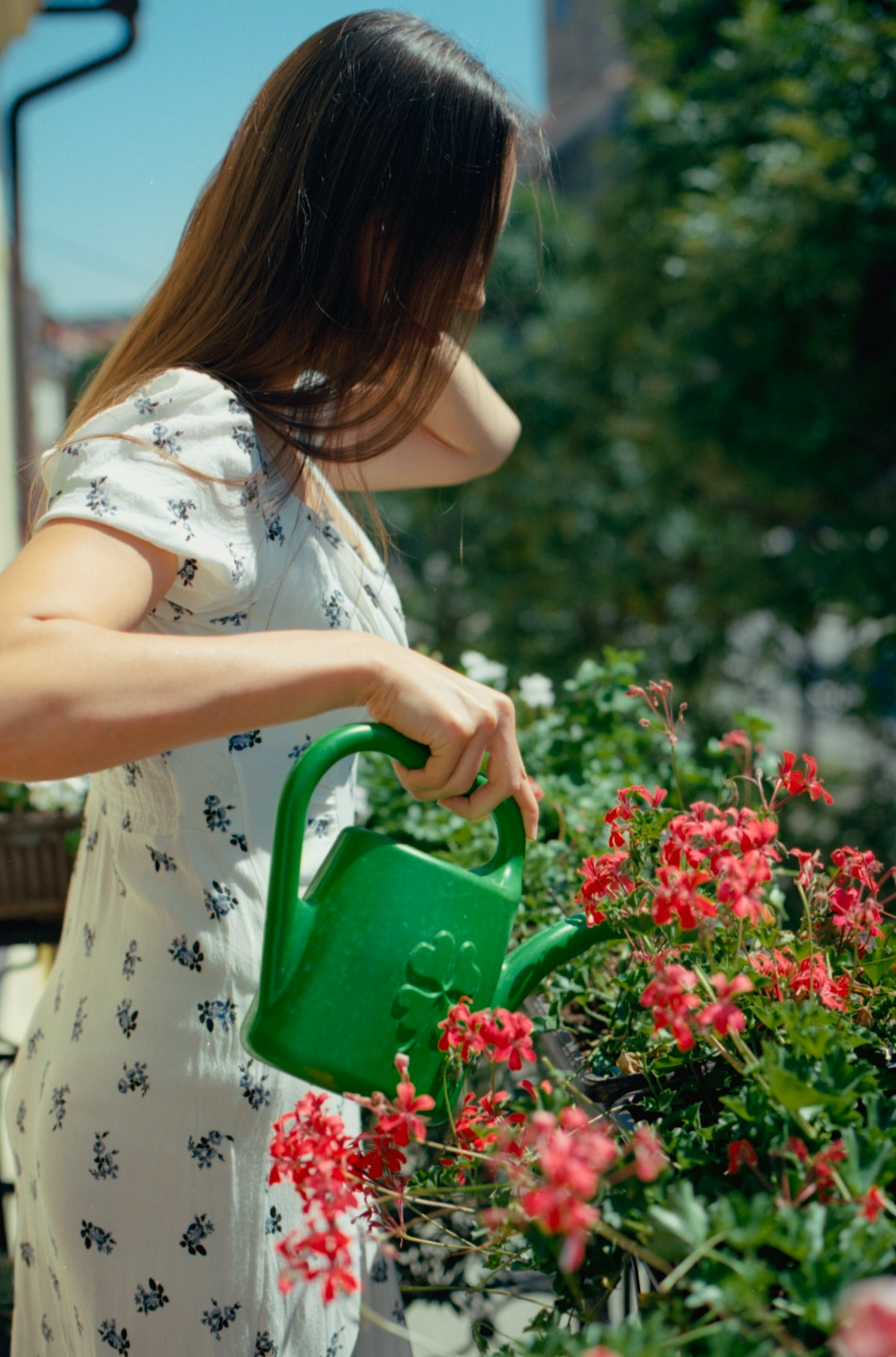
Measure a typical apartment balcony and you get something like six feet by three — barely room for a chair and a regret about the bicycle stored out there. Yet scroll any gardening community and you will find people harvesting armfuls of tomatoes, bowls of strawberries, and more basil than a restaurant from exactly that footprint. The difference is not talent. It is that small-space gardeners stop thinking in rows and start thinking in layers, edges, and vertical lines.
A balcony is actually a kind microclimate: walls radiate stored warmth, railings offer built-in trellis, and every plant is within arm's reach of the kitchen door, which means it gets watered, checked, and harvested far more faithfully than a garden at the bottom of a yard. The constraints are real — weight, wind, and watering — but they are manageable once you plan for them.
Here is how to turn a few square feet into the most productive patch you own.
The short version
Check your sun first (most fruiting plants want six-plus hours), check your lease and building rules second, and respect weight third — wet soil is heavy, so spread load along load-bearing edges and prefer lightweight potting mix over garden soil. Grow up with railing planters and vertical towers, grow compact or dwarf varieties bred for containers, and water on a schedule, because pots dry out far faster than beds. Self-watering planters are the single biggest quality-of-life upgrade for balcony gardeners who travel or forget.
What to look for
- Weight capacity and rules — many leases limit planters, and some buildings ban railing-hung boxes on upper floors. Confirm before you buy the third bag of compost.
- Container depth matched to the crop — 8 inches for herbs and salads, 12 or more for peppers and bush tomatoes, the biggest pot you can fit for anything fruiting.
- Drainage with a plan — pots need holes, but the runoff needs somewhere polite to go. Saucers and trays protect your floor and your downstairs neighbor's ceiling.
- Lightweight growing mix — bagged potting mix with perlite weighs a fraction of garden soil when dry and resists compacting in containers.
- Self-watering reservoirs for thirsty plants — a reservoir buys you two to four days on a hot balcony, which is the difference between a harvest and a funeral after a long weekend.
- Wind-proofing — tall plants and light pots blow over. Group pots together, weight the bases, and tie climbers to the railing early.
Balconera Cottage Railing Planter
A railing-hung planter with an integrated sub-irrigation reservoir and water-level indicator, designed to keep balcony herbs and flowers watered for days at a time.
- Built-in reservoir with visible water-level gauge
- Secure brackets fit most standard balcony railings
- Weatherproof, UV-stable plastic with a woven-look finish
- + Uses zero floor space while putting plants in the best sun
- + Reservoir stretches watering intervals noticeably
- + Overflow protection keeps excess water off the facade
- – Brackets are sized for common rail widths — measure yours first
- – Premium pricing versus plain railing troughs
Leaf Vertical Planter
A stackable tiered tower planter that grows dozens of plants — strawberries, herbs, greens — in a footprint of roughly two square feet.
- Stackable tiers hold up to 30+ plants in a small footprint
- Top watering tray distributes water evenly to every tier
- Made in the USA from food-safe, UV-stable plastic
- + The most plants per square foot of almost any system
- + Optional spinner base lets you rotate plants toward the sun
- + Excellent for strawberries and leafy greens
- – Top tiers dry faster and need the watering routine kept up
- – Full tower of wet soil is heavy — place it before filling
Easy Grow Elevated Planter Box
A waist-high resin planter on legs with a built-in water reservoir and drainage tap, sparing your back and fitting neatly against a balcony wall.
- Elevated design for gardening without bending
- Self-watering reservoir with a drainage hose tap
- Weather-resistant resin that mimics a rattan finish
- + Ideal depth and height for salads, herbs, and peppers
- + Reservoir suits weekends away
- + Compact footprint for narrow balconies
- – Too shallow for deep-root crops like full-size tomatoes
- – Reservoir needs periodic rinsing to stay fresh
Thinking in layers: how small balconies hold so much
The floor is only the first of three growing surfaces. The railing is the second: long trough planters hooked over the rail put herbs and trailing flowers at waist height, in the best sun, using zero floor space. Rail planters with built-in reservoirs, such as the Lechuza Balconera line, are popular precisely because elevated planters dry out fastest of all.
The third surface is vertical airspace. A tiered tower planter grows a dozen or more strawberry or herb plants in the footprint of a single pot, and a simple trellis panel turns one deep pot into a wall of beans or peas. Even the wall itself can work: pocket planters and mounted pots suit shade-loving greens on balconies that face away from the sun.
Floor pots then hold only what genuinely needs depth — a compact tomato, a pepper, a dwarf fruit bush. arranged this way, a six-by-three balcony comfortably carries twenty or more plants without feeling like a storage unit.
What actually grows well up there
Balcony veterans tend to recommend the same reliable cast. Cherry tomatoes out-yield full-size varieties in pots and ripen even in shorter seasons. Peppers love the reflected heat off walls. Strawberries were practically designed for towers and railing boxes. Among vegetables, bush beans, cut-and-come-again lettuce, radishes, and compact zucchini varieties all earn their space.
Herbs are the highest-value crop of all per square inch, because the alternative is buying a whole supermarket bunch to use two sprigs. Basil, chives, parsley, thyme, and rosemary in a sunny rail planter will season a whole summer of cooking. Mint gets its own pot, always — in shared soil it becomes the only herb you have.
Water in the morning when you can. Pots watered early lose less to midday evaporation, and foliage dries before evening, which discourages the mildew that haunts crowded balconies.
The honest constraints: water, wind, and weight
Balcony gardens fail for boring reasons. The first is thirst — a black pot in full sun and wind can need water daily in high summer, and twice-daily for small planters. Self-watering designs (explained in our guide to self-watering planters) and a simple reservoir habit are the fix; the second is wind, which both dries pots and physically batters plants on exposed upper floors, so group containers in each other's shelter.
Weight deserves respect rather than fear. A rough rule from structural guidance shared in gardening communities: a large pot of wet soil can weigh as much as a person. Keep heavy containers near the balcony's edges and against the building wall where support is strongest, distribute rather than cluster, and choose resin or fiberglass over terracotta and concrete where you can. Terracotta also loses water through its walls — beautiful, but thirstier.
FAQ
How many hours of sun does a balcony garden need?
Fruiting plants like tomatoes and peppers want six or more hours of direct sun. Leafy greens, herbs like parsley and mint, and many flowers manage well with three to five. If your balcony is north-facing or shaded, lean into greens, herbs, and shade-tolerant flowers rather than fighting for tomatoes that will sulk.
Can I really grow vegetables in pots that small?
Yes, with variety choice doing the heavy lifting. Look for seeds and plants described as dwarf, patio, bush, or container types — breeders have selected these for compact roots and heavy yields in limited soil. One healthy cherry tomato in a large, well-fed pot routinely out-produces three starved plants in small ones.
How do I water when I go on holiday?
Layer your defenses: move pots into the shadiest spot, water deeply right before leaving, mulch the surfaces, and use self-watering planters or reservoir spikes for the thirstiest residents. For trips beyond a week, a neighbor with a watering can and an offer of the harvest is the oldest and best system in gardening.
Is it safe to hang planters on the railing?
It depends on your building, your lease, and how far a falling pot could drop — which is why checking rules comes first. Where railing planters are allowed, choose designs with secure, rated brackets, keep them on the inside face of the railing where possible, and never hang heavy planters over a public walkway.